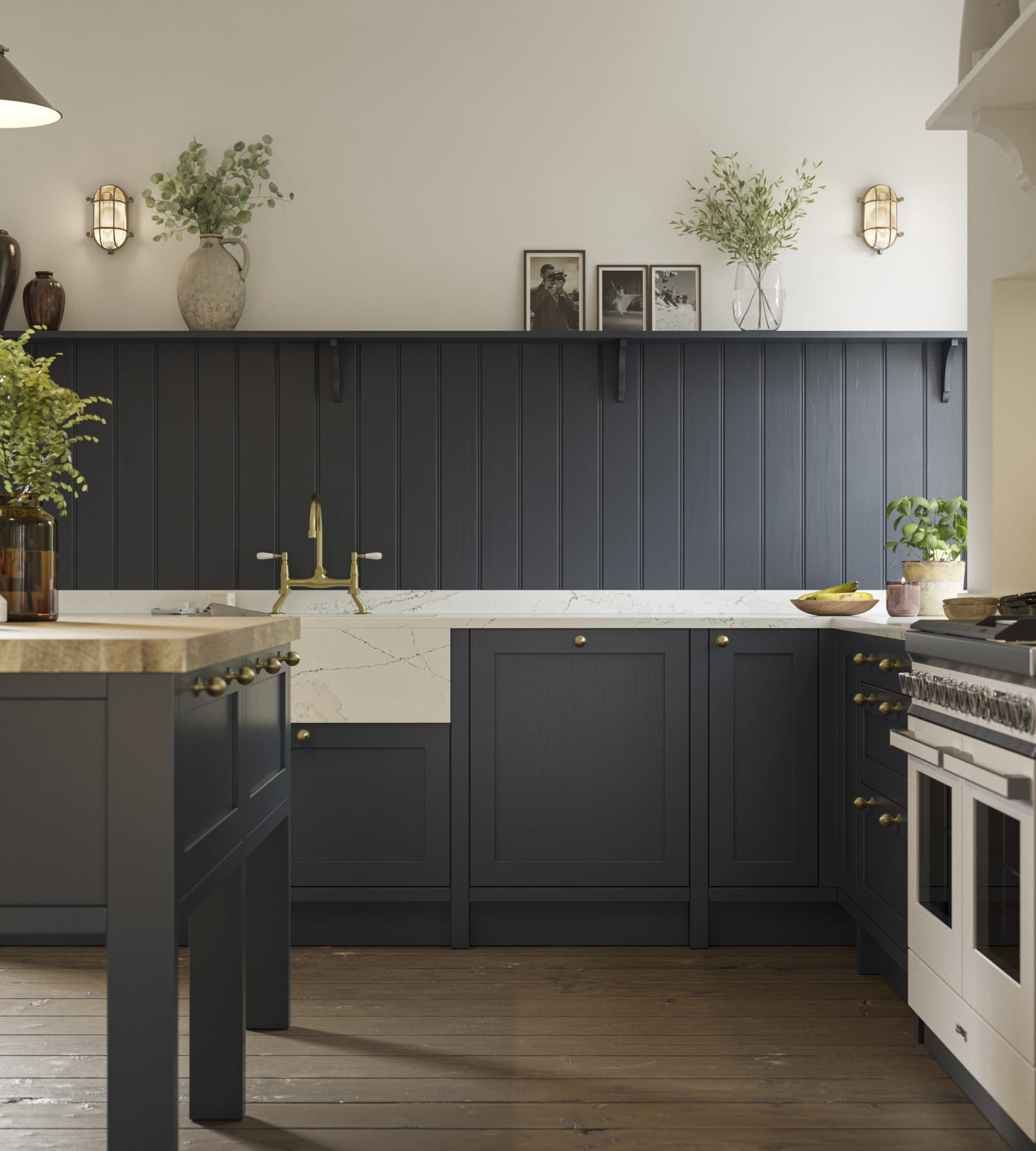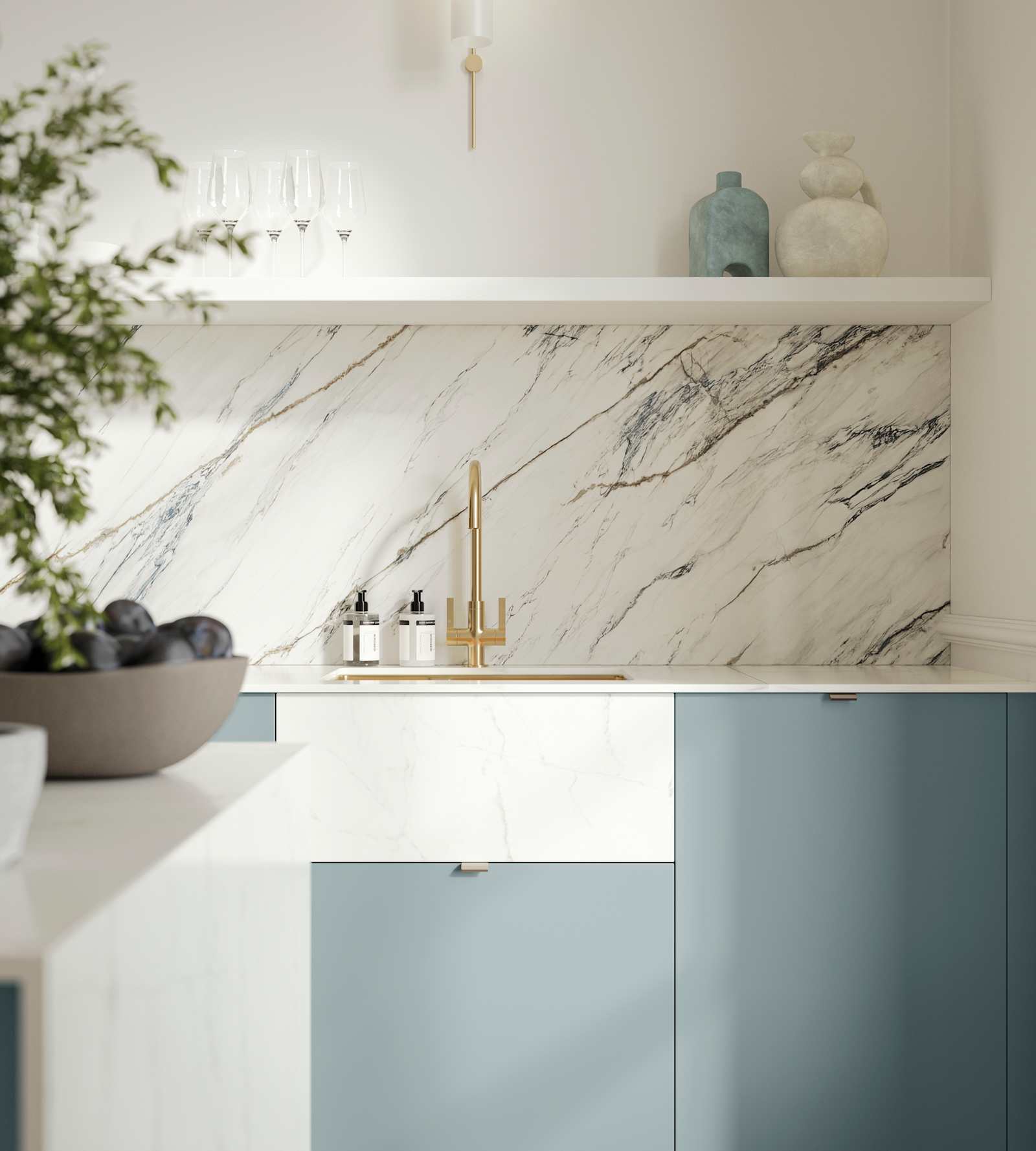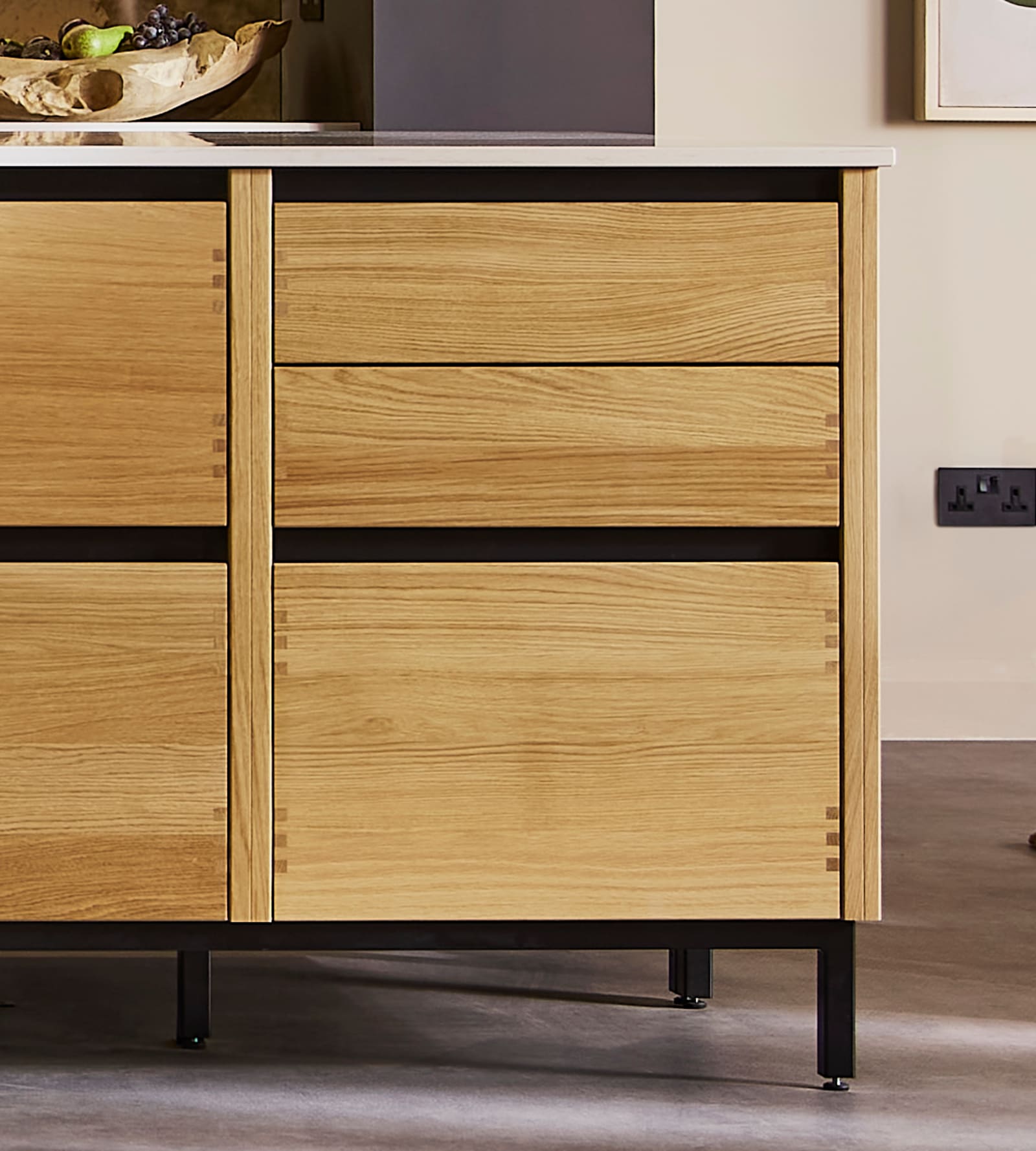




Tall units are ideal for storing everything from pantry products to pots and pans. Whether you add an integrated oven or keep yours for storing bulky cleaning items, the opportunities are truly endless.
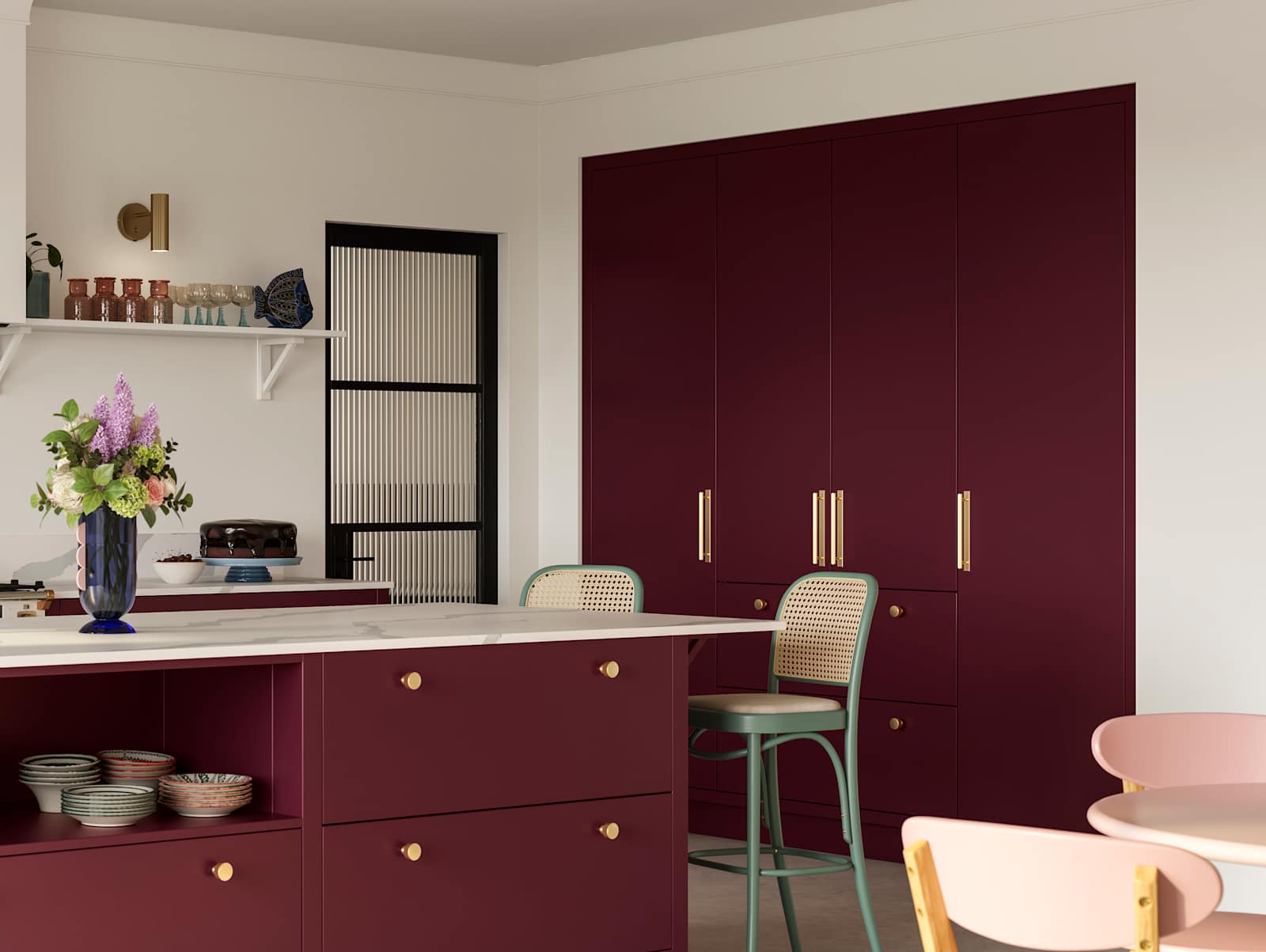
Your cabinets are arguably the most important aspect of your kitchen, which puts you under enormous pressure to choose correctly. What material should you choose, what finish is best for your design, and how will you maximise storage space?


Buying your cabinets from Magnet is a seamless experience. Your personal kitchen designer will assist you throughout the entire process, from a home measure to the installation of your dream kitchen.
Picking the right kitchen cabinets with doors is just one of the many things we’ll help you with during your journey with us. From colour selections and interior fittings to door hardware, our team of experts has all the details you need about cabinets to help you make an informed decision.
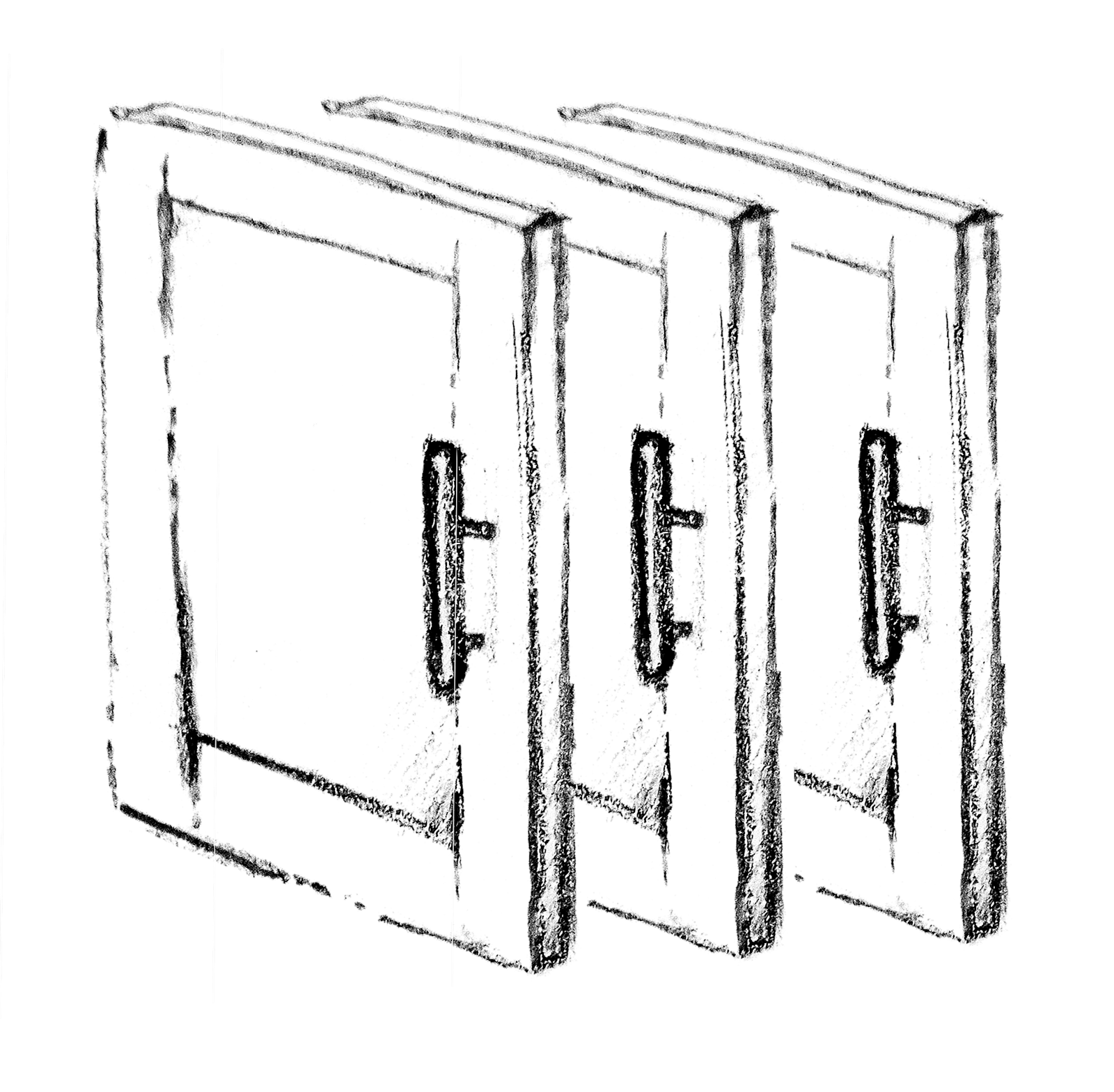
Before you can choose your kitchen cabinets, you need to know what’s available – and with so many options, it can feel overwhelming. The majority of your kitchen will consist of base and wall units, making this a useful place to begin.
Base units are the foundation of any kitchen. They provide storage, house appliances, and, crucially, support your worktop, so picking quality carcasses is essential (more on materials later).
Wall units are, as the name suggests, fixed to your wall at eye level. In larger kitchens, wall units are ideal for storing tins, packets, glassware, and other items, but they can overwhelm smaller spaces, which is why some people opt for open shelving instead.
In addition to the standard base and wall units, specialist kitchen cabinets offer an alternative.
Your choice of cabinet material will determine your kitchen's lifespan, but it also comes with budget considerations. The denser the material, the more robust it tends to be, and that comes with a higher price tag.
While it’s not always possible to choose the material when buying a kitchen, it’s an important consideration to keep in mind so you can make a well-informed decision when you’re picking a kitchen supplier.
Common materials to be aware of include MFC (melamine-faced chipboard), MDF, and solid wood.
| Material | Pros | Cons |
| MFC | Cost-effective and widely available, easy to clean, available in a variety of colours and finishes | Limited options for repairs once damaged, prone to blowing if not properly treated, less durable than solid wood |
| Painted MDF | Affordable, smooth surface ideal for painting, easy to shape and customise | Sensitive to moisture; can swell if exposed to water, requires careful handling to avoid damage |
| Solid wood | Offers the beauty of natural wood, durable and long-lasting, can be refinished or repaired if damaged | More expensive than MDF and MFC, may warp or expand with humidity if not properly treated, requires regular sealing and oiling |


At this point, it’s useful to distinguish between the carcass and the doors. The carcass is the skeleton – the bit you can’t see until you open the cupboard door (or drawer).
The majority of our carcasses are white, but we also offer oak and anthracite to match doors in the Ascoli range. Your choice of units is largely determined by the space you have available. It’s the cupboard doors where you can really get creative, from picking colours to cabinet finishes and styles.
Start by thinking about the kitchen style you’d like. Shaker kitchens are characterised by panel doors in painted wood that suit traditional designs, while modern kitchens typically feature slab doors in a gloss finish. If you're looking for something in between, Brunswick offers a fresh take on the classic Shaker. Its slimline frame and distinctive tea tray profile combine timeless craftsmanship with industrial-inspired styling, creating a modern classic that works beautifully in both contemporary and transitional homes. You may also want to consider adding an accent cupboard with glazed doors, such as fluted glass larder units, to introduce texture and create an elegant focal point.
The 2026/27 Kitchen Trends Guide explores the rise of 'New Nostalgia' – a design direction that reimagines classic Shaker kitchens with contemporary colours, refined detailing and modern functionality.
Keep reading: A guide to gloss vs matt cabinets.
The interior fittings in your units are just as important as the exterior. This is where you can squeeze the most out of your space for maximum efficiency. With our innovative storage solutions, you can streamline your kitchen workflow and take the stress out of family dinners. Pair each kitchen unit type with a complementary interior fitting for a neat fit that optimises the space. Check out these ultra-smart unit combinations:
Your units make up the bulk of your kitchen, but before you can move on, there are several finishing touches to add, such as picking your cupboard door handles.
Here are several other things to consider:
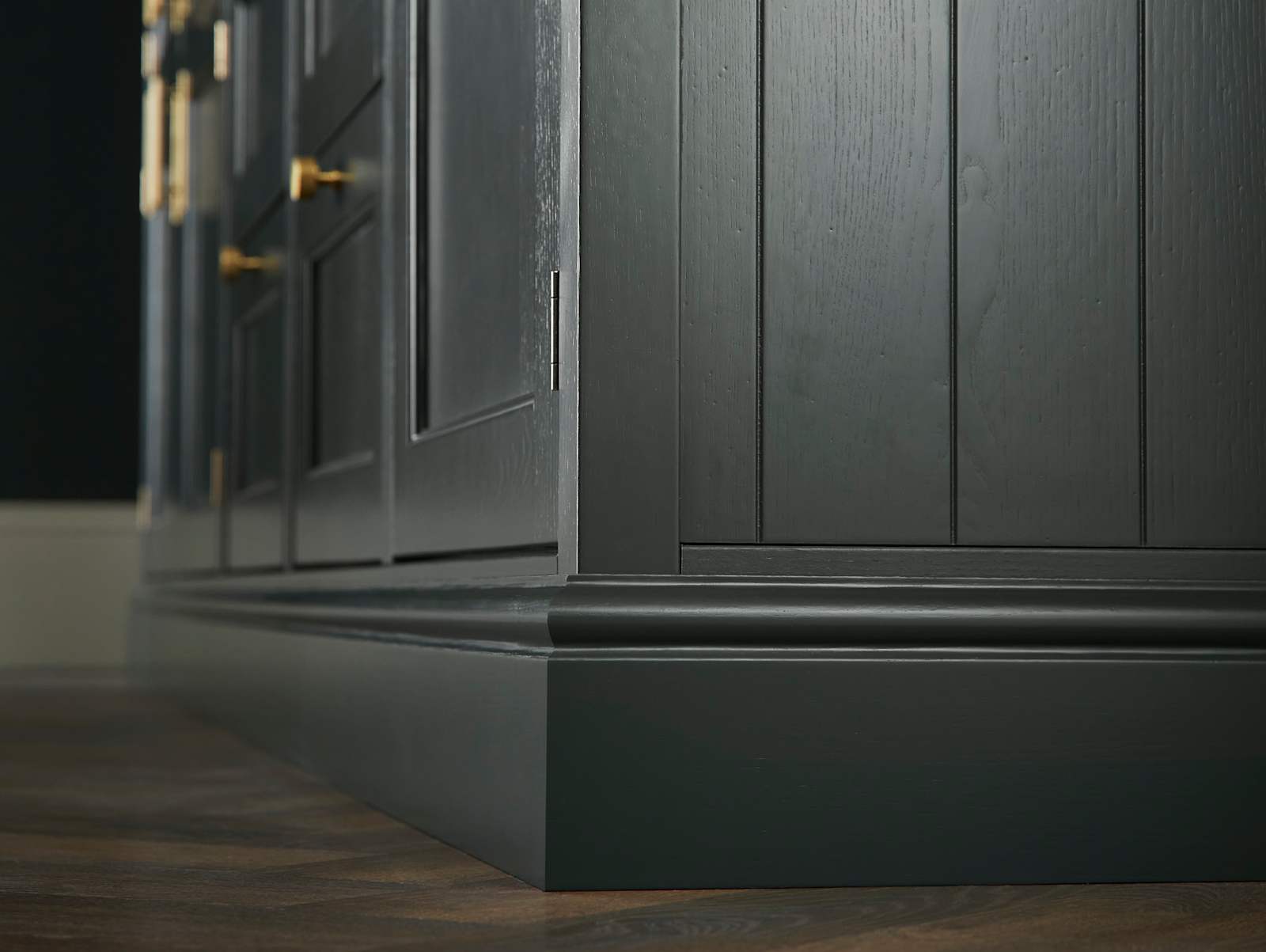
Generally, kitchen cabinets are sold in standard sizes that align with European appliances. It is also possible to buy a bespoke kitchen, crafted by specialists to fit your space exactly, but you can expect to pay significantly more for this than you would for cabinets sold in standard widths.
The most common width is 600mm, but other sizes are available from 150mm to 1000mm. The depth and height are always the same unless otherwise specified. Magnet's base units are a standard 807mm high and 565mm deep.
Different cabinet types are designed for different purposes, helping you make the most of your available space:
|
Cabinet type |
Best for |
|
Typical dimensions |
|
Base units |
Everyday kitchen storage, appliances and worktops |
|
807mm high, 565mm deep |
|
Standard wall units |
Everyday storage for crockery, glassware, food and cooking essentials |
|
704mm high, 330mm deep |
|
Tall wall units |
Extra overhead storage for less frequently used items and larger kitchens |
|
896mm high, 330mm deep |
|
Shallow depth units |
Coffee nooks, media walls, hallway storage and compact spaces |
|
330mm deep |
Our shallow depth units are engineered at a versatile 330mm depth, making them ideal for narrower spaces within the kitchen and beyond. They can be used to create everything from coffee nooks and media walls to innovative storage solutions such as walk-in and blind corner larders.
Measuring your kitchen space for cabinets is a useful exercise to get a rough idea of how many units you'll need and how much it's likely to cost.
8 units small kitchen (10㎡)
12 units medium kitchen (15㎡)
16 units large kitchen (20㎡)
20 units extra-large kitchen (25㎡)
Once you’ve measured the space, you can use our cost calculator to get a guide price for your new fitted kitchen. Before we finalise your design, we will visit you to take our own measurements so we can ensure that we’re maximising every square inch of your space.
Kitchen cabinet costs vary depending on the size of your kitchen, the number of units required, the materials used and the finish you choose.
While budget cabinets can offer a lower upfront cost, it's important to consider long-term value. High-quality cabinets are built to withstand daily wear and tear, provide better storage solutions and often come with longer guarantees. At Magnet, our cabinets are manufactured in the UK, feature 18mm-thick panels as standard and are backed by industry-leading quality credentials, including Which? Best Buy recognition and FIRA Gold accreditation.
If you're planning a new kitchen and would like an idea of what your project could cost, use our pricing tool for an instant estimate. For a more detailed breakdown of what's included in a kitchen budget, read our guide to how much a new kitchen should cost.
Replacing cabinet doors is often less expensive than a complete kitchen renovation and can dramatically update the look of your space.
This option works best when the cabinet carcasses remain in good condition and the existing layout still functions well for your household. New doors, handles and accessories can completely transform the appearance of a kitchen while avoiding the cost of replacing every cabinet.
You have the choice of using Magnet’s accredited team of kitchen installers or your own independent joiner and kitchen fitter. If you decide to use your own supplier, we’ll work with them closely to ensure a smooth handover.
Shaker cabinets remain popular, known for their raised panels and versatile appeal, which suit both modern and traditional kitchens. Additionally, two-tone cabinets, combining different colours or finishes, are also trending, adding depth and character to kitchen designs. Natural wood finishes and muted colours are also favoured for their timeless elegance and ability to create a warm, inviting atmosphere.
Panel cabinets are a type of cabinetry with flat panels made from materials such as wood or MDF. They come in various styles, including raised, flat, and recessed panels, each offering a distinct aesthetic. This versatility allows panel cabinets to complement a range of design styles, from traditional to modern.
Our cabinets are built to the highest standards by master craftsmen and women, recognised as experts in their trade. That’s why we’re confident our units can withstand the trials of daily life in a busy family home. All our carcasses come with a lifetime guarantee as part of our commitment to quality and customer satisfaction.
The cost of good kitchen cabinets depends on factors including material quality, construction, size and finish. While premium cabinets typically require a higher initial investment, they often provide better durability, increased storage capacity and a longer lifespan. When comparing options, it's important to look beyond price and consider guarantees, craftsmanship and overall value.
The 1/3 rule is a design guideline used when selecting cabinet handles and drawer pulls. It suggests that the length of the handle should be approximately one-third of the width of the cabinet door or drawer front to create balanced proportions.
For example, a 300mm-wide drawer would typically suit a 100mm handle, while a 600mm-wide drawer might look best with a 200mm pull. This approach helps ensure that hardware feels in proportion to the cabinetry, creating a cohesive and visually pleasing design.
While the 1/3 rule is particularly popular in modern and transitional kitchens, it's not a strict requirement. Some homeowners prefer longer statement handles, while others opt for smaller knobs or even two handles on wider drawers. Ultimately, the right choice will depend on the style of your kitchen and the overall look you're trying to achieve.
In 2026, nature-inspired colours continue to dominate kitchen design. Sage green, olive, warm beige and earthy terracotta remain popular choices, while deeper shades such as navy blue and charcoal add sophistication and depth. Rich reds are also emerging as a key trend, with shades such as Morello Red bringing warmth, character and a sense of understated luxury to the kitchen. Two-tone kitchens and natural wood finishes continue to gain popularity, offering a timeless look that feels both contemporary and inviting.
Our cabinets are built to the highest standards by master craftsmen and women, recognised as experts in their trade. That’s why we’re confident our units can withstand the trials of daily life in a busy family home. All our carcasses come with a lifetime guarantee as part of our commitment to quality and customer satisfaction.
If you’re still looking for information we may have missed, you might find it in our cabinet FAQs. Can’t find what you need? Call us or visit your nearest Magnet store to discuss your ideas with our kitchen designers.